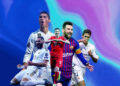

Every football season brings its own rhythm and excitement, but few matches capture the collective attention quite like El Clásico. The fierce rivalry between Barcelona and Real Madrid has shaped Spanish football for decades, with each encounter painting a new chapter in this intense saga.
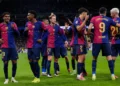
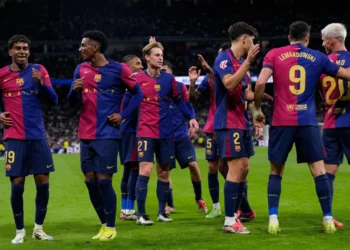
The 2026 Spanish Super Cup final, held in Jeddah, Saudi Arabia, saw this iconic rivalry continue its streak as these two giants faced off for the third consecutive year in the title decider. Barcelona, coming off a dominant campaign and the defending champions, delivered a performance that reminded fans why these matches never lack drama. The game unfolded with high intensity from the outset, as Barcelona controlled possession impressively, marking a quiet evolution in their tactical approach under Hansi Flick. The midfield, led by talented players like Pedri and Frenkie de Jong, orchestrated play with poise, striking a fine balance between control and creativity.
Madrid responded with a surprisingly defensive setup early on, opting for a back five under coach Xabi Alonso. This strategy aimed to stifle Barcelona’s rhythm while seeking counter-attacking chances, and it initially put Barcelona’s efforts on hold. However, the tide turned as the game progressed with end-to-end action highlighted by a flurry of goals in stoppage time before halftime. The match’s sweet spot came with Raphinha’s decisive winner late in the second half after a spirited duel where Barcelona narrowly survived a red card and late Madrid onslaught.
Under the hood, the clash painted a picture of two teams eager to reclaim supremacy but with contrasting approaches—Barcelona’s possession and pressing versus Madrid’s physicality and counter-attack. Joan Garcia’s crucial saves in the final minutes underscored Barcelona’s resilience and helped them defend the trophy with a thrilling 3-2 victory.
This victory marks Barcelona’s third Spanish Super Cup win against Real Madrid in the last four years, signaling a potential new era of dominance in El Clásico matches. What do you think about the continued rivalry shaping Spanish football? Let us know in the comments below.